PFAS limits meet recycled content: what packaging teams must test

UK industry bodies warn PFAS thresholds could push packers to virgin material. The PPWR gives recycled content no exemption, so test evidence matters now.

UK industry bodies warn PFAS thresholds could push packers to virgin material. The PPWR gives recycled content no exemption, so test evidence matters now.

Mars wants every ink and coating disclosed, Herma certifies cold wash-off PP labels, Pulpex opens a fibre bottle plant and Brussels consults on bio-based feedstock.

Recycled content targets are colliding with feedstock limits in both paper and plastic, pushing brand owners toward new testing, new adhesives and new ownership questions in fibre supply.

Four recent launches, from a graphene-enhanced mailing film to a paperboard spirits bottle, show how material substitution and mono-material design deliver measurable gains.
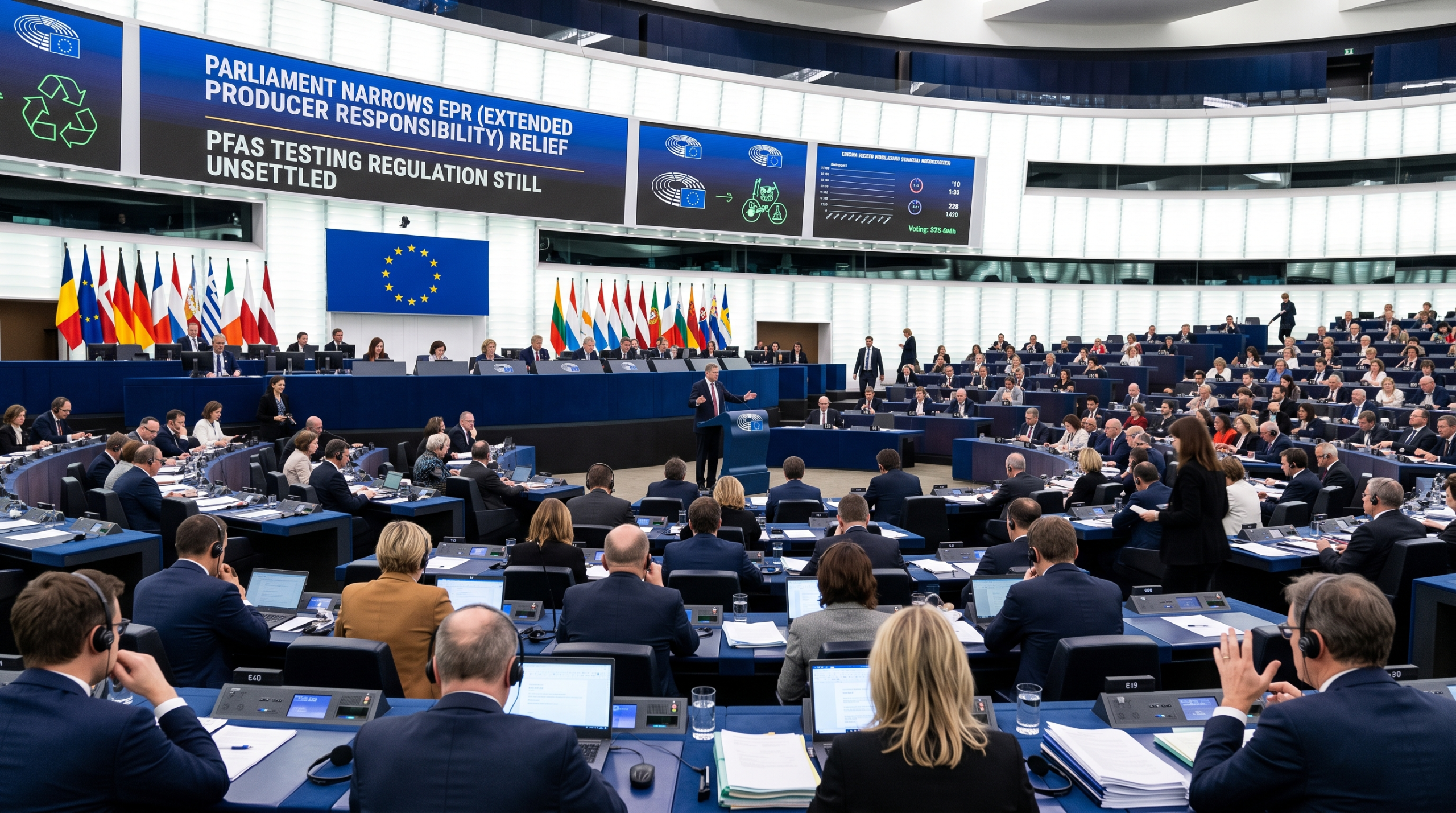
Two months after the PPWR took effect, MEPs scale back EU-wide EPR relief to SMEs, PFAS limits lack an agreed test method, and buyers want proof in contracts.

A monomaterial flatbread pack, a linerless fruit lid, a recycled-fibre board that still prints like virgin stock, and reusable eye patches: what changed and why.

Europe’s paper recycling rate holds near record highs, yet fibre and flexible plastics both face a harder question: does “recyclable” mean materials actually come back as usable feedstock?

A paper ice cream wrap, a graphene-boosted recycled film, and a refillable aluminium bottle. What changed, why it works, and the trade-offs designers should weigh.